
Assistive Technology: An Educational Overview and Recommendations
Executive summary
This memo briefly describes what assistive technology (AT) is; summarizes how it differs from other accessibility terms; compares the different types of AT; and outlines the legal structures and barriers for supporting and using AT in schools, workplaces, and at home. Understanding the components of AT, how it is supported in our legal codes, and the barriers to its usage for many people is vital for disability and consumer rights advocates as well as those charged with maintaining and supporting these rights. The goal of this memo is to serve as an introduction to the world of AT for advocates and policymakers. We also aim to remind those who may be in a position to assign or support the usage of AT about the rights and barriers people with disabilities have when it comes to accessing and using AT.
Community Partner: Self Advocates of Michigan
Key findings
- Assistive technology (AT) usage is widespread, and a majority of people will use one or more assistive technology devices at one point in their lives.
- A majority of protections and regulations related to assistive technology are directed towards students, leaving a wide gap for individuals outside the public education system who need ATs in the workplace or at home.
- Misunderstandings and misconceptions about assistive technology are two of the most significant barriers to its use in the workplace and schools.
Introduction
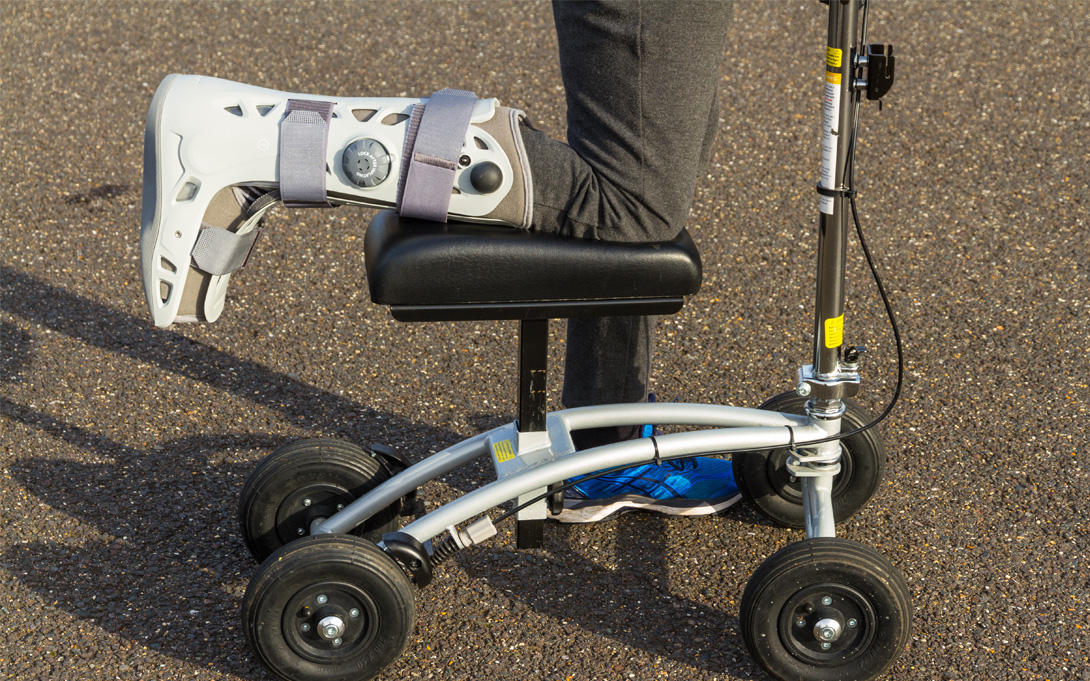
Assistive technology (AT) refers to any item, piece of equipment, software program, or product that is used to increase, maintain, or improve the functional capability and/or independence of persons with disabilities.
AT may be store-bought software; modifications like tennis balls on a walker; or custom-made, like a 3D-printed
prosthetic hand. Most people will need assistive technology at some point in their lives. Some may need it only temporarily, others for a longer period, or throughout their lives. Globally, more than 2.5 billion people need one or more ATs, with that number expected to grow to an estimated 3.5 billion people by 2050 as the global population continues to 3 age.
While the definition of AT is fairly broad, it should not be confused with other similar terms. Though similar in concept, "accessible technology," "universal design," "universal design for learning," and "accessible educational materials" each have different definitions under federal law.
