
Automated License Plate Readers and Data Sharing
Sometimes referred to as "Flock Cameras," ALPRs are AI-equipped cameras designed to collect, timestamp, and pinpoint vehicle license plate numbers, building a large digital database to be used by law enforcement during investigations. This document addresses concerns related to data privacy and misuse.
Partner: Detroit Justice Center
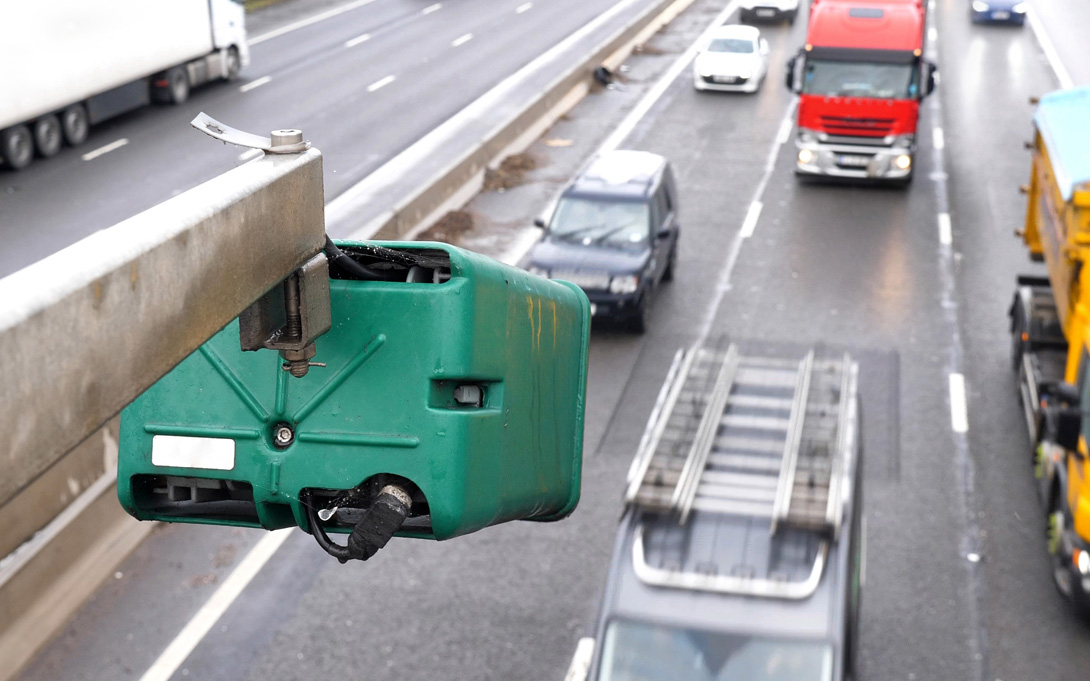
What is an Automated License Plate Reader (ALPR)?
Sometimes referred to as "Flock Cameras," ALPRs are AI-equipped cameras designed to collect, timestamp, and pinpoint vehicle license plate numbers, building a large digital database to be used by law enforcement during investigations. The images from these cameras can be crosslisted with internal databases supplied by police departments to pinpoint and track drivers of interest, which is designed to lead to efficient arrests for serious crimes.
How Do ALPRs Work?
ALPRs work by scanning and logging license plate numbers in real-time, in order to
1. Identify license plate numbers and crosslist them with a "hotlist," a curated and dynamic list of people of interest assembled by the ALPR's operators.
2. Collect and store historical data collected by ALPRs to track vehicles associated with law enforcement investigations, providing insight into their behavior and travel patterns. Police departments can do this with any driver, not just those on their hotlist.
What Data Makes Up "Hotlists" in Detroit?
Michigan's Secretary of State Office offers a baseline package of data, the NCIC/LEIN, to any police department for incorporation into their ALPR hotlists. The data package includes both national (NCIC) and state-level (LEIN) information on stolen vehicles, wanted persons, missing persons, gang members, known or suspected terrorists, those under supervised release, those on the sex offender registry, and immigration violator records.
Ultimately, these Hotlists are made up of whomever the Detroit Police Department (DPD) wants to track. Law enforcement agencies control what data is included in these hotlists, which can be altered at any time. DPD officers can also add vehicles to the local DPD hotlist, which, in turn, is added to the statewide NCIC/LEIN database. However, DPD members cannot receive ongoing alerts tracking vehicles that are not registered in the NCIC/LEIN.
Who Does DPD Share Its ALPR Data With?
The DPD maintains over 30 data sharing arrangements with external local, city, and state police departments that share ALPR data to aid in active investigations. DPD policy restricts ALPR data from being sold or published for commercial or non-enforcement reasons.
DPD has stated that it does not share its ALPR data with ICE and no publicly available evidence shows that federal agencies have access to DPD's ALPR data, but it's possible that ICE can access DPD ALPR data indirectly through data sharing agreements with external police departments. ICE routinely accesses ALPR data that it would otherwise be barred from due to lack of sharing agreements, by partnering with willing police departments and using that department's data partnerships to "daisy chain" their way into restricted data. An example of this indirect access was identified in the Ferndale police department, where an audit showed that several outside agencies, including federal agencies, had accessed its ALPR network through their partnerships with other police departments.
Does DPD Have a Data Retention Policy?
DPD has different policies for different types of data. DPD policy allows ALPR data to be retained for up to one year. In practice, Flock data not preserved for an investigation would be automatically deleted after 30 days, while data preserved for ongoing criminal investigations is instead retained under the rules governing case files.
What Does DPD Do to Protect Civilians from Misuse of ALPR Capabilities by Police Officers?
There are national concerns of unauthorized ALRP use by individual agents. Across the country, there have been over 50 known reports of police officers searching and tracking ex-partners or romantic interests using ALPRs. DPD has an auditing system built into their ALPR framework to prevent this. DPD's ALPR system records who performs searches, and DPD policy prohibits searches being run without a law-enforcement purpose. This creates an audit trail through which unauthorized searches can be investigated. Administrators conduct monthly searches to ensure that ALPRs are being used according to policy and that DPD officers' searches are related to investigations.
However, DPD's framework does not prevent all unauthorized searches, and we know they sometimes happen. For example, in Ferndale, public record audits of ALPR search queries showed searches being justified with inputs like "Why", "NONE", or gibberish as reasoning for a search. This could easily happen in other locations as well.
Note: Ferndale has since cancelled their Flock subscription due to concerns about privacy and data sharing.
STPP memos related to this topic include
Automated License Plate Readers: Legal and Policy Evaluation
Understanding ICE Surveillance and its Civil Rights Implications
